Respiratory calculation

Oxygenation Index Calculator

Calculate oxygenation index and P/F ratio after normalizing pressure units.

Respiratory values

Enter FiO₂, mean airway pressure, and PaO₂

OI
Respiratory summary

Calculated indices

The indices will appear here

Verify invasive values and units from the same clinical time point.

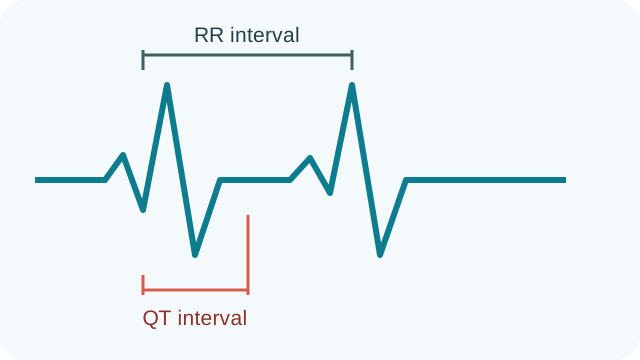
Clinical waveform representing monitored respiratory values used in an oxygenation calculation
The calculation requires consistent pressure units and FiO₂ entered as a percentage.

What is Oxygenation Index?

The Oxygenation Index Calculator combines inspired oxygen, mean airway pressure and arterial oxygen pressure into a value used in the care of mechanically ventilated patients. It also reports the PaO₂/FiO₂ ratio. These figures summarize oxygenation at a particular time; they do not explain the cause of respiratory failure.

This is a clinician-facing calculation. Values depend on a ventilator setting and an arterial blood gas collected at a relevant time. Treatment decisions require the full clinical picture, trends, local protocols and expert judgment. Do not use the page to change oxygen or ventilator settings.

How to Use This Calculator

  1. Enter FiO₂ as a percentage from 21 to 100. For example, enter 50 for 50%, not 0.50.
  2. Enter mean airway pressure and select cmH₂O, mmH₂O, mmHg or kPa. The page converts pressure to cmH₂O.
  3. Enter PaO₂ from an arterial blood gas and select mmHg or kPa. The page converts it to mmHg, then calculates both displayed measures.

Formula Used

Oxygenation index = FiO₂ fraction × mean airway pressure (cmH₂O) × 100 ÷ PaO₂ (mmHg)

Because FiO₂ fraction × 100 equals FiO₂ percent, the same relationship can be written OI = FiO₂ percent × mean airway pressure ÷ PaO₂.

P/F ratio = PaO₂ (mmHg) ÷ FiO₂ fraction

Variables Explained

TermMeaning on this page
FiO₂Fraction of inspired oxygen. The form asks for a percentage and converts it to a fraction.
Mean airway pressureAverage airway pressure over the breathing cycle, converted to cmH₂O. MAP here does not mean mean arterial blood pressure.
PaO₂Partial pressure of oxygen in arterial blood, converted to mmHg.
OIDimensionless oxygenation index from the three values.
P/F ratioPaO₂ divided by fractional FiO₂, reported in mmHg when PaO₂ is in mmHg.

Worked Example

Assume FiO₂ is 50%, mean airway pressure is 10 cmH₂O and PaO₂ is 100 mmHg. Convert FiO₂ to 0.50.

OI = 0.50 × 10 × 100 ÷ 100 = 5. The P/F ratio is 100 ÷ 0.50 = 200.

If PaO₂ fell while the ventilator inputs stayed the same, OI would rise and the P/F ratio would fall. That numerical change would need clinical interpretation and confirmation that the measurements were comparable.

Why Use This Calculator?

A higher OI generally reflects more support and/or lower arterial oxygen pressure within this relationship. The number is sensitive to mean airway pressure, which is why OI and P/F ratio can tell different parts of the story. Neither value should be interpreted without knowing when and how the inputs were obtained.

Units matter greatly. PaO₂ in kPa is converted to mmHg, while mean airway pressure is converted to cmH₂O. A value labeled MAP on a blood-pressure monitor is not the ventilator pressure required here. FiO₂ must represent the delivered inspired oxygen at the time relevant to the blood gas.

Thresholds and clinical actions vary by age group, condition and care protocol. Serial values may be more informative than a lone result, but changes in sampling or ventilator settings can weaken the comparison. A critically ill patient requires direct assessment by the treating team.

Documentation should preserve the time of the arterial sample, FiO₂ and mean airway pressure together. If one input came from a different moment, the combined number can suggest a precision that the underlying observations do not support. Recheck unexpected values against the source record and the units before interpreting a trend.

Common Mistakes

  • Entering FiO₂ as 0.50 when the field expects 50 produces the wrong scale and is rejected.
  • Using mean arterial pressure instead of mean airway pressure makes the result meaningless.
  • Mixing kPa, mmHg and cmH₂O without selecting the correct units creates large errors.
  • Combining an old blood gas with newer ventilator settings gives a result that did not describe one moment in care.

Frequently Asked Questions

Is oxygenation index the same as the P/F ratio?

No. OI includes mean airway pressure and rises as oxygenation worsens within the formula. The P/F ratio omits airway pressure and falls when PaO₂ is lower relative to FiO₂.

Should FiO₂ be entered as a fraction or percentage?

Enter a percentage. Type 50 for an FiO₂ of 0.50. The page converts that entry to a fraction before calculating.

What does MAP mean on this page?

It means mean airway pressure measured from the ventilator, not mean arterial blood pressure. Confusing those two measurements invalidates the result.

Can I use a venous oxygen result for PaO₂?

No. The formula calls for arterial oxygen pressure from an arterial blood gas. Venous and arterial oxygen measurements are not interchangeable.

Can this result tell me how to adjust a ventilator?

No. Ventilator changes can have serious effects and require the treating team’s judgment, monitoring and protocol. This page only performs arithmetic from supplied values.

Why did OI rise while PaO₂ barely changed?

OI also depends on FiO₂ and mean airway pressure. Increasing either support value can raise OI even if PaO₂ is similar, so compare all inputs and their timing.

How should a threshold be interpreted?

Use the threshold specified by the relevant clinical protocol and population. Age, diagnosis, treatment setting and repeated measurements all matter; the calculator does not choose a treatment threshold.

Sources & References